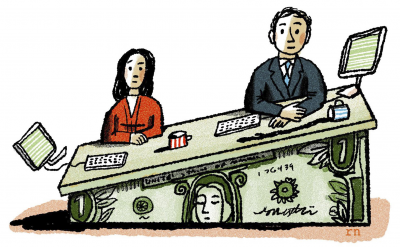


Women have made tremendous progress in achieving higher levels of education, gaining opportunities in the workforce, and pursuing careers, while also continuing to play a vital role as mothers and caregivers. Despite this progress, women continue to be at greater risk of not achieving a financially secure retirement than men.
Factors contributing to women’s risky retirement outlook include: women’s annual income continues to lag behind men’s— which leads to lower lifetime earnings, lower lifetime savings, and reduced Social Security benefits. Women are also more likely than men to take time out of the workforce to care for children and/or aging parents; a high percentage of women work part-time and do not have access to workplace retirement benefits; and, women have longer life expectancies and, therefore, greater savings needs.
These 16 facts aim to raise awareness of retirement risks that women face and highlight opportunities regarding how women can improve their retirement outlook:
- Only 12 percent of women are “very confident” in their ability to fully retire with a comfortable lifestyle.
- 56 percent of women plan to retire after age 65 or not at all.
- Half (51 percent) plan to work after they retire.
- Most (64 percent) Baby Boomer women do not have a backup plan if forced into retirement sooner than expected.
- 46 percent expect their primary source of retirement income will be 401(k)s and/or other savings and investments, while 29 percent expect to rely on Social Security.
- 81 percent of women are concerned that Social Security won’t be there for them when they are ready to retire.
- Of women who have or plan to take time out of the workforce to be a caregiver, 67 percent believe that it will negatively impact their ability to save for retirement.
- 28 percent of women work part-time so are less likely to have workplace retirement benefits.
- 62 percent of women are offered a 401(k) or similar employee-funded retirement plan.
- 76 percent of women who are offered an employee-funded plan participate in the plan.
- Women who participate in their employer’s plan contribute 7 percent (median) of their salary to the plan.
- 53 percent are saving for retirement outside of work in an IRA, mutual fund, bank account, etc.
- Women estimate that they will need to have saved $1 million (estimated median) in order to feel financially secure in retirement.
- Among women who estimated their retirement savings needs, the majority (62 percent) say they “guessed.”
- Only 36 percent of women use a professional financial advisor, most (75 percent) doing so for retirement investment recommendations.
- 52 percent of women say information that is easier to understand would motivate them to learn more about retirement.
Source: Transamerica Center for Retirement Studies
The good news is that small steps, when taken together, can add up to great strides in retirement preparedness. Retirement will be unique for each woman, but the tools to help achieve retirement readiness are common to all. Now is the time for every woman to focus on achieving a financially secure retirement.
- Start saving for retirement and get into the habit of saving on a regular, consistent basis. Save as much as you can, knowing that both small and large amounts add up over time.
- Consider retirement benefits as part of your total compensation. If your employer doesn’t offer you a retirement plan, ask for one.
- If your employer offers a retirement plan, participate. Be sure that your contribution rate takes full advantage of employer matching contributions, if available. Take advantage of the IRS Saver’s Credit if eligible. Consider taking advantage of catch-up contributions if you are age 50 or older.
- Develop a retirement strategy and write it down. Envision your future retirement and use an online calculator to estimate your long-term savings needs. Then formulate a goal for how much you will need to save each year (be sure to include employer-sponsored retirement plans and outside savings)—and hold yourself accountable for saving.
- When facing life’s important decisions about whether to reduce work hours or take time out of the workforce to be a parent or caregiver, carefully consider the financial trade-offs and options—such as shifting to part-time work— to help mitigate the impact on long-term financial security.
- Become personally involved in your family finances ranging from daily budgeting to long-term planning. Discuss retirement saving and planning with family and close friends. An open dialogue with family members about expectations of either needing to provide or receive financial support should be part of every woman’s retirement strategy.
- Get educated about retirement investing. Learn about possible ways to help make savings last longer including when to take withdrawals from retirement accounts to minimize taxes and penalties, and the best time to start Social Security to maximize benefits. Seek professional assistance if needed.
- Have a backup plan in the event of unforeseen circumstances such as separation, divorce, loss of a partner, or being unable to work before your planned retirement. Consider emergency savings; insurance products such as disability insurance and life insurance; and possible ways to cut costs if needed, such as moving to a smaller home, taking on a roommate(s) or scaling back transportation costs. Keep job skills up to date.